
Introduction
Have you ever seen a warning sign with a yellow radiation symbol and wondered what it actually means? Many people hear the words radiation, alpha, and beta, but they never really understand what these terms mean in real life. If you have ever asked yourself what are alpha and beta rays, you are not alone. These two types of radiation shape everything from medical treatments to nuclear power.
In this article, you will learn what are alpha and beta rays, how they form, and why they behave so differently. You will also discover where you might encounter them in daily life and how scientists use them for good.
What Are Alpha and Beta Rays in Simple Terms
Let us start with the basics. Both alpha and beta rays are types of radiation released when an unstable atom breaks down. This process is called radioactive decay. When you ask what are alpha and beta rays, the short answer is that they are tiny particles shot out from the nucleus of an atom as it tries to become more stable.
Think of an atom like a tightly packed suitcase. When it has too much stuff crammed inside, something has to come out. That something can be an alpha particle or a beta particle, depending on the atom involved.
What Are Alpha Rays Made Of
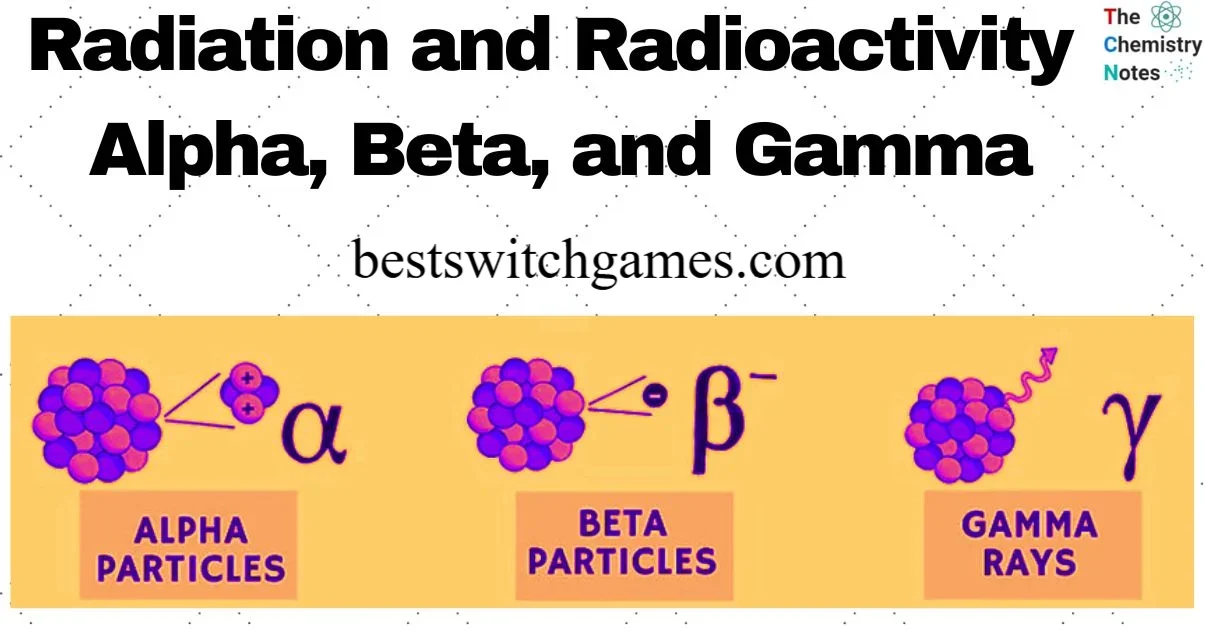
Alpha rays are made of alpha particles. Each alpha particle contains two protons and two neutrons bundled together. This structure is actually identical to the nucleus of a helium atom.
Because it carries two protons, an alpha particle has a positive charge of plus two. This charge and its larger size play a big role in how it behaves once it leaves the atom.
Key facts about alpha particles include the following.
- They contain two protons and two neutrons.
- They carry a positive charge of plus two.
- They are heavier than beta particles.
- They come from large, unstable atoms like uranium and radium.
What Are Beta Rays Made Of
Now let us look at the other half of the question, what are alpha and beta rays when we focus on beta radiation. Beta rays are made of high speed electrons or positrons that shoot out from the nucleus during decay.
A beta particle can carry a negative charge of minus one if it is an electron, or a positive charge of plus one if it is a positron. Either way, beta particles are much smaller and lighter than alpha particles.
Key facts about beta particles include the following.
- They are high speed electrons or positrons.
- They carry a charge of minus one or plus one.
- They are much lighter than alpha particles.
- They travel faster than alpha particles due to their small size.
Alpha vs Beta Rays: The Main Differences
Once you understand what are alpha and beta rays individually, comparing them becomes much easier. The biggest differences come down to size, charge, ionizing power, and penetrating power.
Ionizing Power
Alpha radiation has a stronger ionizing effect than beta radiation. Because alpha particles are larger and carry more charge, they knock electrons loose wherever they pass. This makes them very damaging at close range, even though they do not travel far.
Penetrating Power
Beta radiation has greater penetrating power than alpha radiation. Since beta particles are smaller and lighter, they slip past obstacles that would stop an alpha particle instantly.
How Far They Travel
Alpha radiation only travels a short distance in air, often just a few centimeters. Beta radiation can travel much farther through air, sometimes several meters, before it slows down.
What Can Block Them
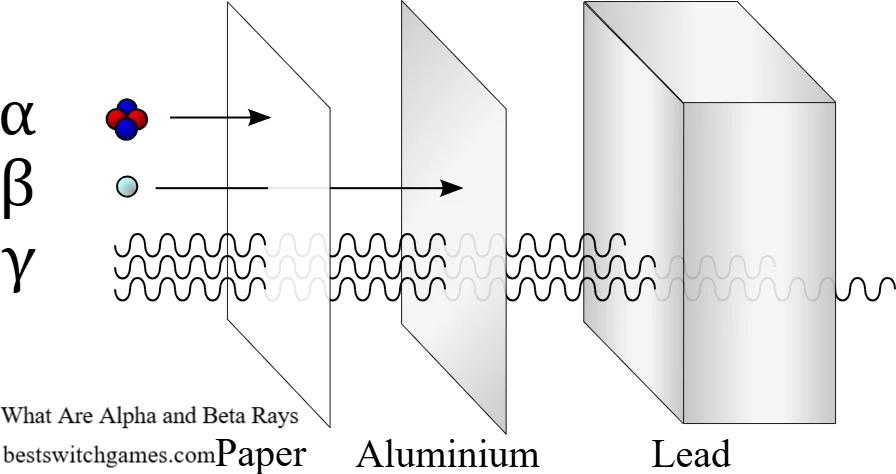
This is one of the most practical parts of understanding what are alpha and beta rays. You do not need thick walls to stop every type of radiation.
- Alpha particles can generally be stopped by a sheet of paper or even the outer layer of your skin.
- Beta particles can pass straight through paper, but a thin layer of aluminum or plastic can reduce or stop them.
I find this comparison fascinating because it shows how something invisible can be controlled with materials as simple as paper or foil, as long as you know which type of radiation you are dealing with.
Why Understanding What Are Alpha and Beta Rays Matters
You might be thinking, why does any of this matter to me? The truth is, radiation touches more parts of daily life than most people realize.
Uses in Medicine
Doctors use beta radiation in certain cancer treatments to target harmful cells while protecting healthy tissue nearby. Alpha emitting materials are also used in some targeted cancer therapies because their short range limits damage to nearby healthy areas.
Uses in Industry and Research
Alpha particles power many household smoke detectors, ionizing the air inside so smoke can trigger the alarm. Beta radiation helps factories measure the thickness of materials like paper and metal sheets. Scientists also rely on both types of radiation to study atomic structure and understand decay rates in the lab.
Is Radiation From Alpha and Beta Rays Dangerous
Yes, both can be dangerous, but the danger depends heavily on exposure type. Alpha particles are mostly harmless from the outside because your skin blocks them easily. However, if you inhale or swallow a material that emits alpha radiation, it can cause serious internal damage since there is no skin barrier to stop it inside your body.
Beta particles can cause skin burns and eye damage with direct exposure, and they pose a greater risk from a distance since they travel farther. This is why safety training around radioactive materials always separates internal and external exposure risks.
Quick Comparison Table
Here is a simple way to remember it all at a glance.
- Composition: two protons and two neutrons versus electrons or positrons.
- Charge: plus two versus minus one or plus one.
- Ionizing power: strong versus weak.
- Penetrating power: weak versus strong.
- Stopped by: paper or skin versus aluminum or plastic.
- Travel distance in air: a few centimeters versus several meters.
Final Thoughts
So, what are alpha and beta rays in the end? They are two natural forms of radiation released during radioactive decay, each with its own size, charge, and behavior. Alpha rays are heavy, strongly ionizing, and easily blocked. Beta rays are light, fast, and able to travel much farther while ionizing less intensely.
Understanding this difference is not just useful for passing a science test. It helps you appreciate how smoke detectors work, how certain cancer treatments function, and how safety measures around radioactive materials are designed. The next time you see a radiation symbol, you will know exactly what kind of invisible particles might be involved.
If you found this guide helpful, share it with someone who has ever asked what are alpha and beta rays, or leave a comment with any questions you still have about radiation.
Frequently Asked Questions
What are alpha and beta rays in simple words? They are particles released from unstable atoms during radioactive decay. Alpha rays are heavier particles with two protons and two neutrons, while beta rays are fast moving electrons or positrons.
Which is more dangerous, alpha or beta radiation? Alpha radiation is more dangerous if inhaled or swallowed because of its strong ionizing power. Beta radiation is more dangerous from a distance because it travels farther and penetrates deeper.
Can alpha rays pass through skin? No, alpha rays cannot pass through skin. The outer layer of skin or a simple sheet of paper is enough to stop them.
Can beta rays pass through the human body? Beta rays can penetrate skin and cause burns, but a thin layer of aluminum or plastic can usually stop them before they cause serious internal damage.
What is the charge of an alpha particle? An alpha particle carries a positive charge of plus two because it contains two protons.
What is the charge of a beta particle? A beta particle carries a charge of minus one if it is an electron, or plus one if it is a positron.
Where are alpha particles used in everyday life? Alpha particles are commonly used inside household smoke detectors to help sense smoke and trigger the alarm.
Where are beta particles used in everyday life? Beta particles are often used in industry to measure material thickness and in certain medical treatments for cancer.
bestswitchgames.com
Email: johanharwen314@gmail.com
Author Name: Hamid Ali
About the Author: Hamid Ali is a science writer who enjoys breaking down complex physics topics into simple, everyday language. He focuses on making subjects like radiation, energy, and atomic science easy for everyone to understand, whether you are a student or simply a curious reader.