
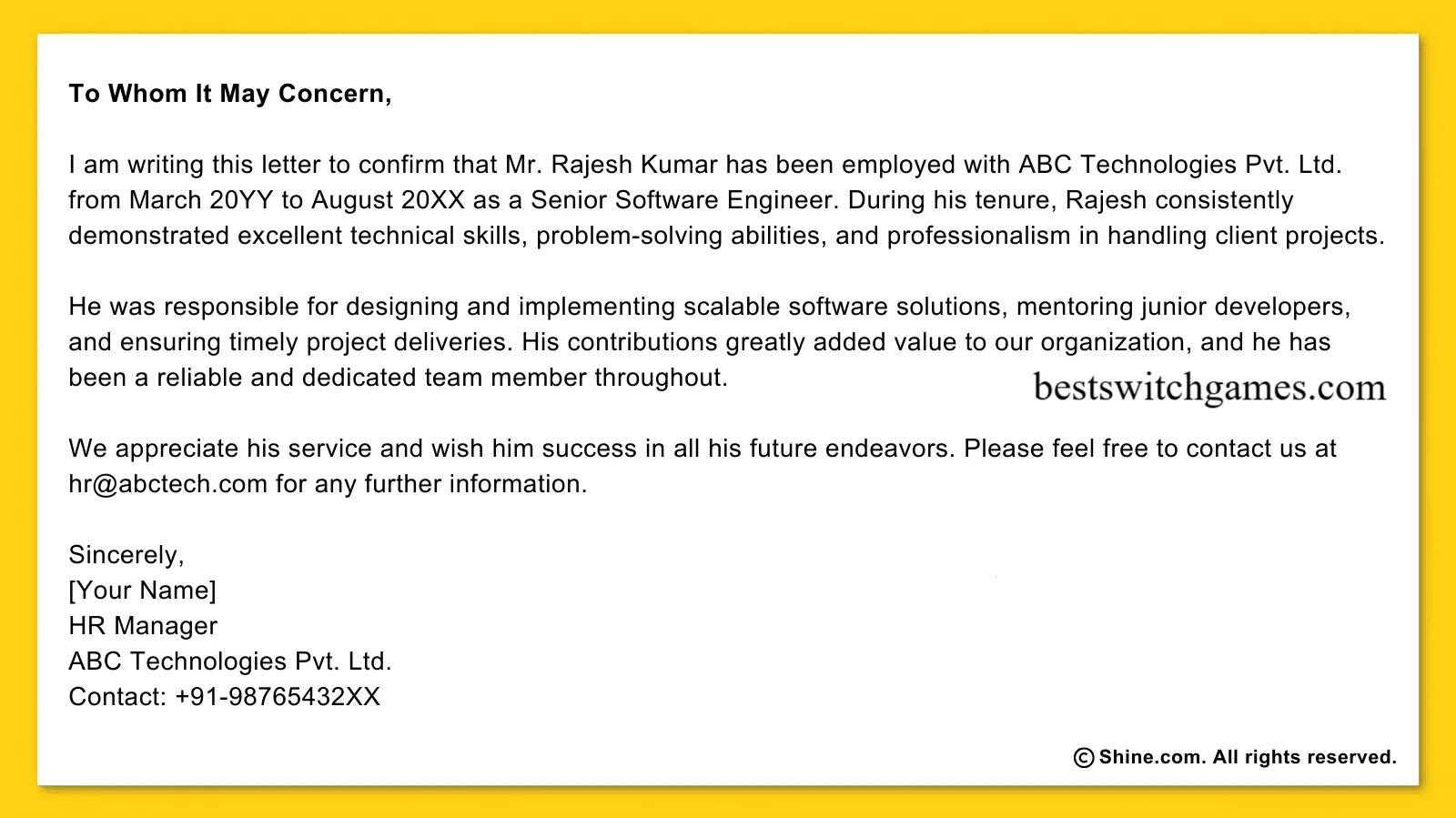
What Is a To Whom It May Concern Letter?
A to whom it may concern letter is a formal letter you write when you do not know the exact name of the person who will read it. You have probably seen this phrase before, maybe in a reference letter or a workplace document, and wondered if it still holds up in modern writing.
Here is the short answer. Yes, a to whom it may concern letter is still used today, and it still works when you truly cannot find out who will open your letter. It is a polite, neutral way to start a formal message without guessing a name and getting it wrong.
In this guide, you will learn exactly when to use this phrase, how to structure your letter, and what to write instead when a better option exists. I will also give you ready to use templates so you are not starting from a blank page.
When Should You Use a To Whom It May Concern Letter?
You should use this greeting only when you have made a real effort to find a specific name and still came up empty. Think of it as your backup option, not your first choice.
Here are situations where it makes sense:
- You are writing to a general company department, like human resources, and no name is listed anywhere
- You are submitting a formal complaint to an organization with no assigned contact
- You are writing a reference or recommendation letter that could be read by more than one person
- You are sending a verification letter that will pass through multiple hands
- You are contacting a government office or institution with no personal contact listed
If you can find a name through a company website, LinkedIn, or a quick phone call, do that instead. A named greeting always feels more personal and shows effort.
Basic Structure of a To Whom It May Concern Letter
Every formal letter follows a familiar pattern. Once you know the structure, writing becomes much easier.
1. Sender’s Information
Start with your name, address, phone number, and email at the top left of the page.
2. Date
Add the date you are writing the letter, right below your information.
3. Greeting
This is where you write “To Whom It May Concern,” followed by a colon, not a comma.
4. Introduction
State who you are and why you are writing in one or two clear sentences.
5. Main Purpose or Details
Explain the core message. This is the body of your letter, where you share facts, dates, and any details the reader needs.
6. Closing
Wrap up with a polite closing line and offer to answer further questions.
7. Signature
End with “Sincerely” or “Best regards,” followed by your full name and, if relevant, your job title.
Common Uses of a To Whom It May Concern Letter
This type of letter shows up more often than people realize. Here are the most common situations where you will need one.
Employment Verification Letters
Employers write these to confirm someone’s job title, salary, or employment dates, often for a landlord, bank, or visa office.
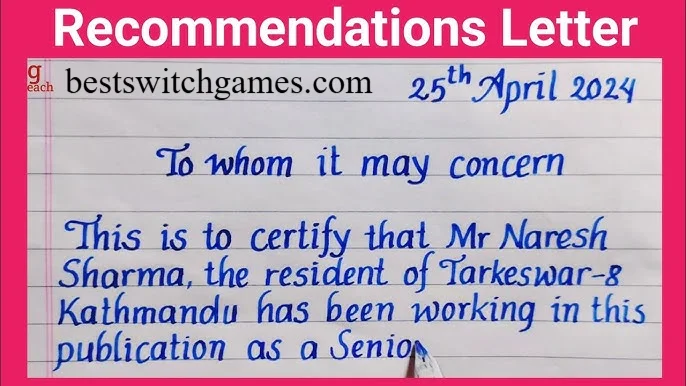
Recommendation Letters
Teachers, managers, and mentors use this greeting when they do not know exactly who will review the letter, such as a scholarship board or hiring panel.
Complaint Letters
When you are filing a formal complaint with a company or agency and there is no specific contact listed, this greeting keeps your tone professional.
Reference Letters
Similar to recommendation letters, these vouch for someone’s character or skills and often go to unknown reviewers.
Business Communications
Companies sometimes use this format for general inquiries, partnership requests, or formal notices sent to departments rather than individuals.
Professional Alternatives You Should Consider First
Before you default to the classic phrase, check if one of these fits better. Each one narrows down the audience slightly, which reads as more thoughtful.
- Dear Hiring Manager, best for job applications when no recruiter name is given
- Dear Admissions Committee, ideal for school or university applications
- Dear Sir or Madam, a slightly more traditional British style option
- Dear Customer Service Team, useful for company inquiries
- Dear [Department Name] Team, a simple way to add specificity without a name
Using a specific recipient name is always the strongest choice when you can find one. It shows you did your homework and adds a personal touch that a generic greeting cannot match.
Letter Templates for Different Situations
Template 1: Job Reference Letter
To Whom It May Concern,
I am writing to recommend Sarah Johnson for any position she is applying for. I worked closely with Sarah for three years as her supervisor at Bright Path Marketing, where she consistently delivered strong results and showed excellent teamwork.
Sarah is reliable, detail oriented, and quick to learn new systems. She would be a valuable addition to any team.
Please feel free to contact me if you need further information.
Sincerely, Hamid Ali Marketing Director
Template 2: Business Request Letter
To Whom It May Concern,
I am reaching out on behalf of Green Leaf Supplies to request information about your bulk ordering process. We are interested in becoming a regular buyer and would like details on pricing, delivery timelines, and available discounts.
Please send this information to the email listed above at your earliest convenience.
Thank you for your time.
Best regards, Hamid Ali Procurement Manager
Template 3: Employment Verification Letter
To Whom It May Concern,
This letter confirms that John Smith has been employed with our company since March 2021 in the role of Senior Analyst. He currently works full time and remains in good standing with our organization.
If additional details are required, please contact our human resources department directly.
Sincerely, HR Department
Template 4: Character Reference Letter
To Whom It May Concern,
I have known Emily Davis for over five years as both a neighbor and close friend. During this time, she has shown honesty, kindness, and strong moral character in every situation I have witnessed.
I fully support any application she submits and believe she will represent herself well.
Sincerely, Hamid Ali
Formatting and Etiquette Tips
A formal letter should feel clean and easy to skim. Keep these etiquette points in mind.
- Use a colon after the greeting, never a comma
- Keep your tone respectful and avoid casual language
- Stick to one page whenever possible
- Use a standard font like Times New Roman or Arial at size eleven or twelve
- Proofread carefully since small errors can hurt your credibility
Good opening lines include, “I am writing to confirm” or “I am writing on behalf of.” Good closing lines include, “Please do not hesitate to reach out with any questions” or “Thank you for your time and consideration.”
Frequently Asked Questions
How do you start a to whom it may concern letter? Start with your contact information and the date, then write the greeting followed by a colon. After that, open with a short sentence explaining your purpose.
Is to whom it may concern still professional? Yes, it remains professional and widely accepted, though it works best only when you genuinely cannot identify a specific recipient.
How long should the letter be? Most formal letters stay between 200 and 400 words, fitting comfortably on a single page.
What is the correct format for this letter? The correct format includes sender information, date, greeting, introduction, main body, closing, and signature, in that order.
When should you avoid using this greeting? Avoid it whenever you can find the recipient’s actual name through research, since a named greeting always feels stronger.
Can this type of letter be sent by email? Yes, the same structure works for email, though you can skip the mailing address at the top.
Do employers still accept this type of letter? Most employers accept it, especially for verification or reference purposes, as long as the content is clear and professional.
Final Thoughts
A to whom it may concern letter still has a place in modern communication, especially when you cannot track down a specific name. The key is knowing when it fits and when a more targeted greeting will serve you better.
Use the templates above as a starting point, adjust the details to match your situation, and always proofread before sending. A well written letter, even one with a general greeting, can leave a strong and lasting impression.
Have you had to write one of these letters recently? Try applying the structure above and see how much smoother the process feels.
bestswitchgames.com
Email: johanharwen314@gmail.com
Author Name: Hamid Ali
About the Author Hamid Ali is a professional writer who focuses on career guidance and workplace communication. He enjoys helping readers write clear, confident letters for job applications, references, and everyday business needs.