
Introduction
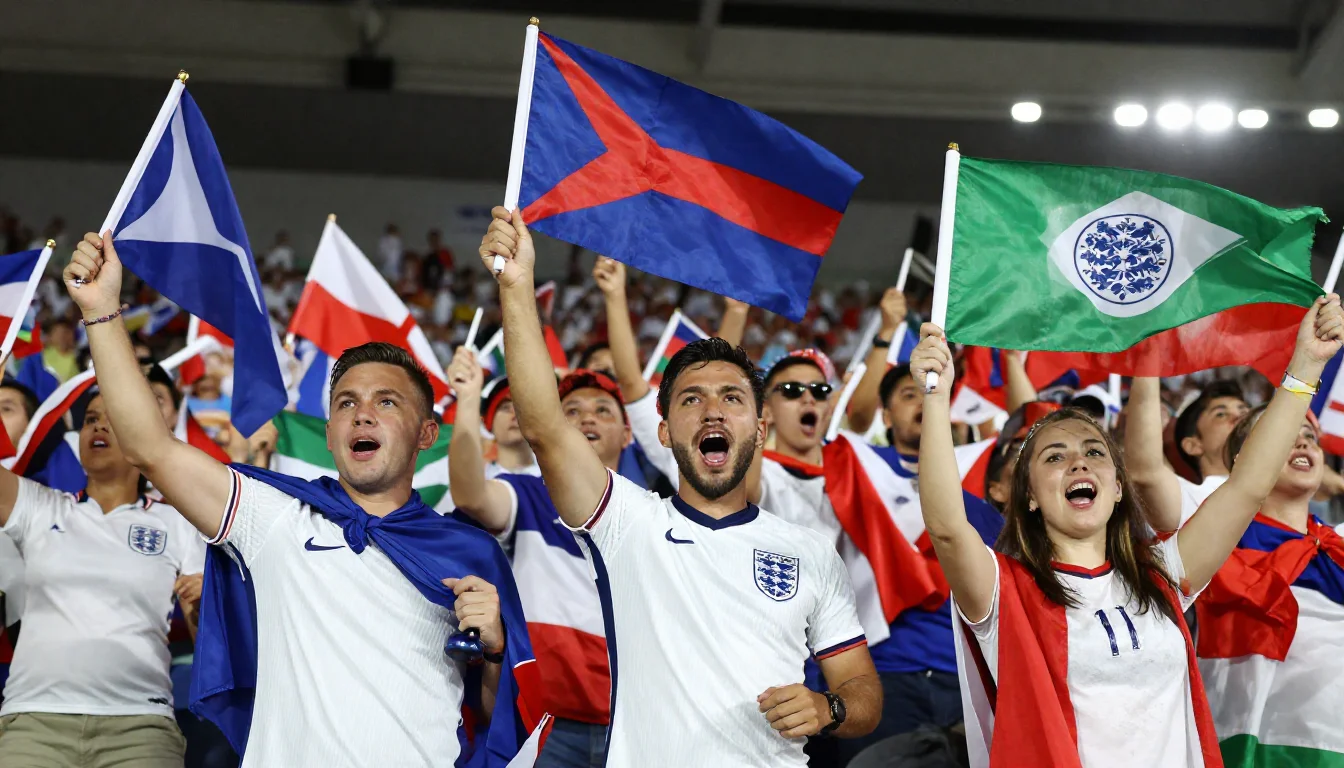
You probably noticed the buzz the moment England walked onto the pitch this summer. Football fans everywhere started asking the same question. Who actually stands behind the Three Lions once the tournament gets going? Countries supporting England in World Cup 2026 has become one of the hottest topics among football fans, and the answer is far more complicated than you might expect.
Some neighbors cheer loudly. Others quietly hope England loses every single match. The truth sits somewhere between old rivalries, shared history, and genuine football passion. This tournament already gave fans plenty to talk about, since England opened with a strong four two win over Croatia.
This article digs into exactly who supports England, who does not, and why. You will see real numbers, learn about the famous Home Nations rivalry, and discover how former colonies and Commonwealth countries actually feel about the Three Lions. By the end, you will understand the full picture behind countries supporting England in World Cup 2026.
Why This Topic Matters Right Now
The 2026 World Cup runs across the United States, Canada, and Mexico, marking the first ever 48 team tournament. Thomas Tuchel leads England, with Harry Kane serving as captain, and the squad faces Croatia, Ghana, and Panama in Group L. England opened strong, beating Croatia 4 to 2 in Dallas, with goals coming from Harry Kane, Jude Bellingham, and Marcus Rashford.
A good run always sparks bigger questions about loyalty. Once a team starts winning, casual fans pick sides fast. That makes countries supporting England in World Cup 2026 a genuinely interesting story this summer, since England now looks like a real contender.
England’s Multicultural Squad Changes the Conversation
More than three quarters of England’s 2026 World Cup squad were eligible to play for another country at some point, reflecting the multicultural backgrounds shaping the modern national team. That detail matters more than people realize. Players with family ties to other nations naturally pull some fans from those countries toward England, even if only a little.
I find this part fascinating, honestly. A squad built from so many different backgrounds creates small pockets of support scattered across the globe that would never exist for a more traditional, single background team.
England’s Own Fanbase: The Numbers at Home
Let us start with the obvious group. How many people inside England actually support their own team during this tournament?
Recent survey data found strong numbers. Nearly half of adults in England, around 46 percent, say they actively support the team, with another 27 percent hoping for success even if they do not call themselves committed fans. About a third of England supporters believe the team has a realistic shot at reaching the final this year.
That confidence makes sense given the opening result. A comfortable win tends to boost belief fast, especially among casual fans who only tune in once the tournament starts.
Home Nations Verdict: Scotland, Wales, and Northern Ireland
This is where things get genuinely tricky. The United Kingdom contains four separate football nations, and their relationship with England runs deep with rivalry.
Scotland’s Complicated Feelings
Scottish football fans rarely hold back their honest opinions about England. Only around 10 percent of Scots say they will actively support England, with an additional 17 percent hoping the team does well. Meanwhile, close to a third openly hope England performs badly, a rate more than double what is seen in Wales.
This pattern has a name. Fans across Scotland, Wales, and Northern Ireland often describe themselves as supporting Anyone But England, commonly shortened to the phrase ABE. For decades, this attitude has made it genuinely difficult for fans in these nations to break a lifelong habit and cheer for England during major tournaments.
Wales Shows Slightly Warmer Support
Wales takes a softer stance compared to Scotland. Around 11 to 14 percent of people in Wales say they will support England, with roughly 36 to 40 percent hoping the team performs well anyway. That gap matters. Wales clearly feels less hostility toward England than Scotland does, even though true enthusiasm still stays fairly limited.
Why the Rivalry Runs So Deep
The tension goes back generations. England remains the dominant nation within the United Kingdom, holding more resources, more players, and far more sporting success than its smaller neighbors, and that imbalance still grates on fans elsewhere in Britain.
Famous figures have stoked this fire publicly too. A well known tennis champion from Scotland once said he would support anyone but England during a World Cup, a comment that triggered an angry response from English sports fans at the time. That single remark still gets brought up years later whenever this rivalry comes up.
Commonwealth Countries and Former Colonies
Beyond Britain itself, the picture grows even more layered. Many nations share long historical connections with England through the former British Empire, and those ties show up in surprising ways during major tournaments.
Genuine Affection in Unexpected Places
Some support comes from genuine football passion rather than political history. In Cuba, for example, fans have openly expressed warmth toward the English team during past tournaments, with some even praising England’s football history and wishing the team continued success.
That kind of goodwill often surprises people. Former diplomats stationed abroad have even described wrestling with the question of which team to back once England gets eliminated, weighing regional ties and personal feelings before settling on a new favorite.
Mixed Loyalty Across Latin America
Not every nation leans toward England automatically. Many football fans across Latin American countries naturally gravitate toward regional powerhouses like Brazil or Argentina first, with England landing further down the list of preferred teams. Cultural pride and footballing identity often outweigh any historical connection to Britain.
A Quick List of Support Patterns
Here is a simple breakdown of how different groups generally lean during major tournaments.
- Caribbean nations with strong cricket and colonial ties often show warmer feelings toward England than expected.
- Latin American countries usually prioritize regional teams ahead of England.
- African nations with English speaking populations sometimes show moderate support, partly due to Premier League popularity.
- Asian countries with large Premier League fan bases frequently back England purely out of club loyalty turning into country loyalty.
Neutral Countries and Global Football Fans
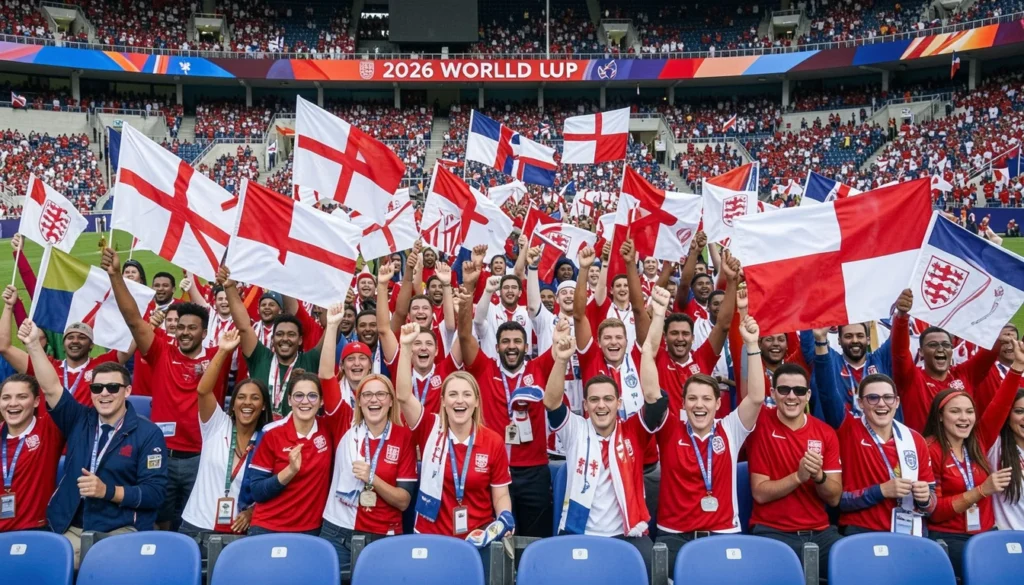
Plenty of fans around the world have no historical connection to England whatsoever, yet they still end up cheering for the Three Lions. Why does this happen?
The Premier League Effect
English football clubs pull in massive global audiences every single week. A well known study during a previous World Cup found that English based clubs sent more players to the tournament than any other country, with well over a hundred players representing a noticeably large share of all squads involved. That kind of exposure builds familiarity, and familiarity often turns into loyalty.
Fans who watch Premier League football religiously every weekend naturally develop some attachment to English players. When the World Cup arrives, that attachment frequently shifts toward supporting England as a national team too.
Bandwagon Support During Winning Runs
Winning changes everything. Once England started its 2026 campaign with a convincing victory, casual neutral fans across the globe naturally gravitated toward the team. England’s comfortable win over Croatia impressed enough neutral observers that the team jumped sharply in expert rankings almost overnight, picking up praise that simply did not exist days earlier.
This bandwagon effect happens with every major tournament. A strong start almost always increases countries supporting England in World Cup 2026, simply because winning teams attract more neutral admirers.
How Support Actually Plays Out During the Tournament
Understanding the mechanics behind this fan behavior helps explain why opinions shift so quickly during a single tournament.
Social Media Amplifies Everything
Fans express loyalty loudly online now, far more than in past tournaments. A single impressive performance can flood social platforms with new supporters overnight, while a poor result can just as quickly erase that goodwill.
Betting Markets Reflect Shifting Sentiment
Bookmakers adjust odds constantly based on public sentiment and team performance. After the opening match, a meaningful portion of England’s own fan base started believing in a genuine run toward the final, and that shift in confidence often mirrors movement seen in international betting markets too.
Diaspora Communities Create Local Pockets of Support
Large communities of English expatriates and football fans living abroad often organize watch parties wherever they settle. These gatherings create visible pockets of support in countries that otherwise show little connection to England at all.
Real Examples From the 2026 Tournament So Far
Looking at actual results helps ground this discussion in reality rather than pure speculation.
Example 1: The Opening Match
England defeated Croatia 4 to 2 in Dallas, with Harry Kane scoring twice, including a penalty, while Jude Bellingham and Marcus Rashford added further goals. This result instantly boosted confidence among English fans and drew neutral admiration from football analysts worldwide.
Example 2: Group L Dynamics
England’s group includes a rerun of a famous 2018 semifinal matchup against Croatia, along with familiar opponents in Panama, whom England previously defeated heavily with a hat trick from Harry Kane. Fans following these specific storylines often develop loyalty based purely on dramatic history rather than any deeper connection.
Example 3: Scottish Tournament Return
Scotland qualified for their first World Cup since 1998, which naturally increased Scottish football interest this summer, even while many Scottish fans continue hoping England struggles. Two home nations competing at the same time always intensifies the rivalry storyline.
Expert Tips for Understanding Fan Loyalty Patterns
If you want to genuinely understand countries supporting England in World Cup 2026, keep these points in mind.
- Look beyond geography. Historical relationships, colonial ties, and football culture matter more than simple proximity.
- Track results closely. Support tends to rise sharply after strong performances and fall just as quickly after disappointing ones.
- Separate Premier League fandom from national team loyalty. Loving English clubs does not always translate into supporting the England national team, though it often helps.
- Watch social media sentiment during match days. Real time reactions reveal genuine feelings far better than any pre tournament survey ever could.
- Remember that rivalry within Britain runs deeper than most outsiders realize. Scottish, Welsh, and Northern Irish sentiment toward England rarely matches simple geographic assumptions.
I always tell people to watch how quickly opinions shift after just one match. Football loyalty proves remarkably fluid, especially among neutral fans without strong historical ties to either side.
Common Mistakes People Make on This Topic
Several misunderstandings come up repeatedly when people discuss countries supporting England in World Cup 2026.
- Assuming the entire United Kingdom supports England equally. Scotland, Wales, and Northern Ireland each show very different levels of enthusiasm, and outright hostility exists in some corners.
- Ignoring the ABE phenomenon entirely. Many casual observers simply do not realize how strong Anyone But England sentiment remains across parts of Britain.
- Overestimating Commonwealth loyalty. Former colonial ties do not automatically translate into football support, since regional rivalries often matter far more.
- Underestimating Premier League influence. Many countries support England purely because of club football connections, not historical or political reasons.
- Forgetting how quickly sentiment changes. Early tournament results can completely reshape neutral support within just a few matches.
Conclusion
Countries supporting England in World Cup 2026 form a genuinely complex web of history, rivalry, and pure football passion. England enjoys strong backing at home, mixed feelings from its closest neighbors, surprising warmth from a few unexpected places, and growing neutral support thanks to a confident start to the tournament.
This story will keep evolving as the tournament progresses. Results, performances, and even individual moments on the pitch will continue shaping who cheers for England and who quietly hopes the Three Lions stumble. Which side are you on this summer? Share your thoughts, and keep watching as countries supporting England in World Cup 2026 continues shifting with every match.
Frequently Asked Questions
1. Do Scotland and Wales actually support England during the World Cup?
Support stays limited. Wales shows somewhat warmer feelings than Scotland, but a large portion of fans in both nations either stay neutral or actively hope England loses.
2. What does ABE mean in football?
ABE stands for Anyone But England, a phrase describing fans across Scotland, Wales, and Northern Ireland who traditionally support whoever England plays against.
3. Which countries genuinely support England in international football?
Support varies widely, though some Caribbean nations and countries with strong historical ties to Britain show genuine goodwill toward the team.
4. Why do so many neutral countries end up supporting England?
Premier League popularity plays a huge role, since fans who follow English clubs weekly often extend that loyalty toward the national team during tournaments.
5. How did England perform in their opening 2026 World Cup match?
England won 4 to 2 against Croatia in Dallas, with goals from Harry Kane, Jude Bellingham, and Marcus Rashford.
6. Who is England’s coach and captain for the 2026 World Cup?
Thomas Tuchel coaches the team, while Harry Kane serves as captain and leads the squad as the all time leading scorer.
7. Does England’s multicultural squad affect international support?
Yes, somewhat. Many players were eligible to represent other nations, which occasionally creates small pockets of extra support from those countries.
8. Has Scotland returned to the World Cup alongside England in 2026?
Yes, Scotland qualified for their first World Cup appearance since 1998, adding extra intensity to the rivalry storyline this summer.
9. Do former British colonies always support England in football?
No, not automatically. Many former colonies actually favor regional powerhouses, especially across Latin America, despite historical ties to Britain.
10. Why does England’s fan support fluctuate so much during tournaments?
Results drive sentiment quickly. Strong wins boost confidence and attract neutral fans, while losses can shrink support almost overnight.
Also Read In bestswitchgames.com
Email: johanharwen314@gmail.com
Author Name: Hamid Ali
About the Author: Hamid Ali writes about sports culture, international football rivalries, and major tournament trends. He enjoys breaking down complex fan dynamics into clear, engaging stories that football lovers can easily relate to.