
Introduction
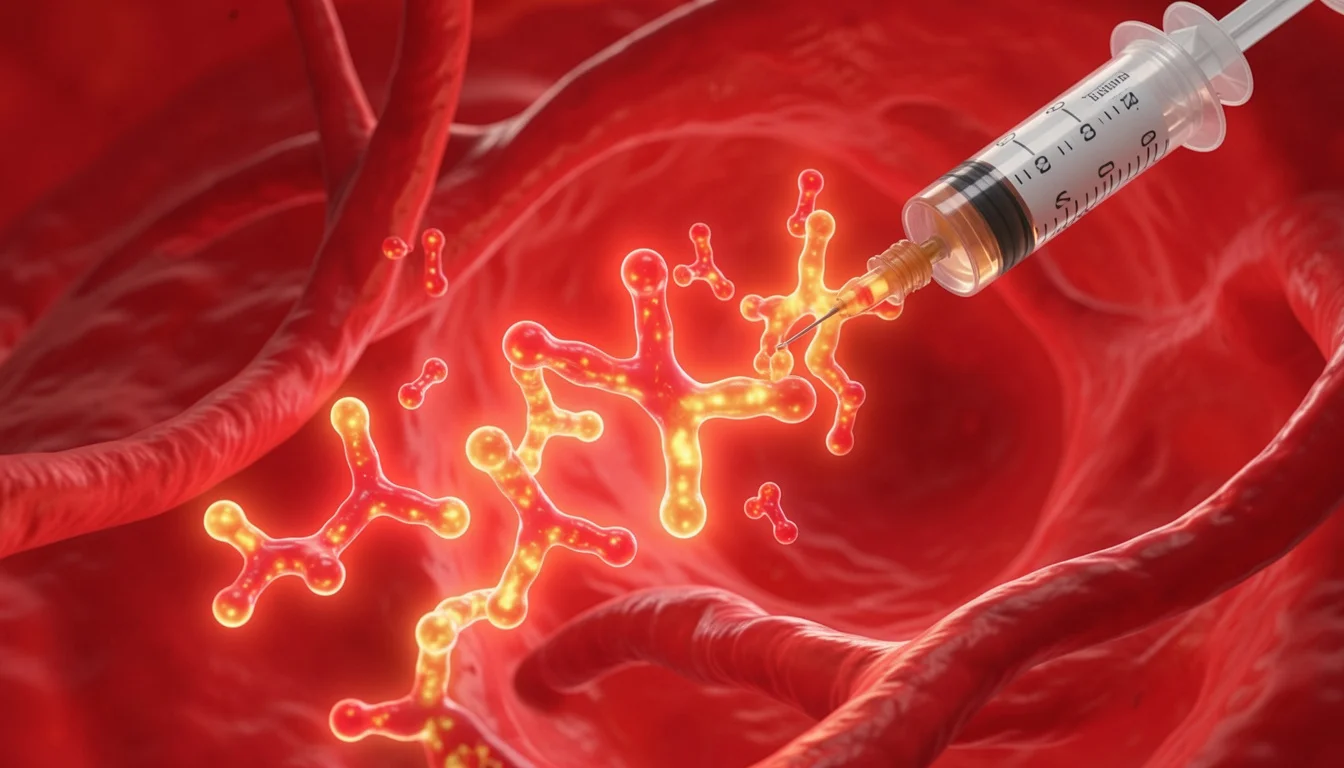
Imagine getting protection against a disease without your body lifting a finger. That is exactly what passive immunity does. It hands you ready made antibodies from another source, and you get instant defense. No waiting, no building up resistance over weeks. Just immediate cover when you need it most.
You have probably benefited from passive immunity without even realizing it. If you were breastfed as a baby, you got it. If you have ever received a tetanus shot after a deep cut, you got it then too. This type of immunity plays a quiet but powerful role in keeping people safe, especially when time is short and the risk is high.
In this article, you will learn what passive immunity actually means, how it differs from the immunity your body builds on its own, and why doctors rely on it in emergencies. You will also discover its limits, real world examples, and answers to the questions people search for most. By the end, you will understand exactly why this borrowed protection matters so much.
What Is Passive Immunity
Passive immunity happens when your body receives antibodies from an outside source instead of making them itself. These antibodies come ready to fight specific germs right away. You do not need to be exposed to the disease first, and your immune system does not need to learn anything new.
Think of it like borrowing a fire extinguisher from your neighbor during an emergency. You did not buy it, you did not plan for it months in advance, but it puts out the fire just the same. That is the simplest way to picture passive immunity.
This protection can come from a few different places, including:
- A mother passing antibodies to her baby
- Medical treatments like antibody injections
- Donated blood products containing antibodies
The key feature is that the antibodies are already made. Your body just receives them and uses them.
How Passive Immunity Works in the Body
Your immune system normally works by detecting a threat, learning about it, and then producing antibodies to fight it. That process takes time, sometimes days or weeks. Passive immunity skips all of that.
When you receive antibodies from another source, they go straight to work. They attach to harmful invaders like viruses or bacteria and stop them from causing damage. There is no learning curve and no delay.
I find this part fascinating because it shows how flexible the immune system really is. It does not always need to build its own defense from scratch. Sometimes it just needs a temporary boost to get through a dangerous moment.
Why Speed Matters
Speed is the biggest advantage here. In situations like snake bites, rabies exposure, or certain infections, your body simply does not have time to build its own response. Passive immunity steps in and buys you that critical window.
Natural Passive Immunity
Natural passive immunity happens without any medical intervention. The most common example is a mother giving antibodies to her child.
Antibodies During Pregnancy
While a baby grows in the womb, antibodies from the mother cross the placenta. This gives the baby some protection against infections even before birth. Newborns are vulnerable, so this head start matters a lot.
Antibodies Through Breast Milk
Breast milk, especially the first milk called colostrum, is loaded with antibodies. These antibodies coat the baby’s digestive system and help block harmful germs from taking hold. Many pediatricians describe this as one of nature’s smartest survival tricks.
I always tell new parents that this is one reason breastfeeding gets so much attention from health experts. It is not just about nutrition. It is about handing the baby a temporary immune system upgrade during the most fragile stage of life.
Artificial Passive Immunity
Artificial passive immunity comes from medical treatments rather than natural processes. Doctors use this approach when someone needs immediate protection and there is no time to wait for the body to respond on its own.
Common examples include:
- Antivenom for snake or spider bites
- Rabies immunoglobulin after an animal bite
- Antibody treatments for certain viral infections
- Tetanus immunoglobulin after a contaminated wound
These treatments contain antibodies collected from humans or animals that have already built immunity to a specific threat. Once injected, the antibodies start working almost immediately.
Real World Example
Picture someone bitten by a venomous snake. Their body has no defense against that particular venom. Doctors give antivenom, which contains antibodies that neutralize the toxin. Without this kind of passive immunity, the outcome could be life threatening.
Passive Immunity vs Active Immunity
People often confuse passive immunity with active immunity, so let us break down the difference clearly.
Passive immunity:
- Comes from an outside source
- Works immediately
- Does not last long
- Your body does not need to produce antibodies
Active immunity:
- Comes from your own immune system
- Takes time to develop
- Lasts much longer, sometimes for life
- Happens after infection or vaccination
A simple way to remember this is that passive immunity is borrowed, while active immunity is earned. Vaccines are a great example of active immunity because they teach your body to make its own antibodies over time.
How Long Does Passive Immunity Last
This is one of the biggest limitations of passive immunity. Since you did not produce the antibodies yourself, your body eventually breaks them down and removes them.
Most passive immunity lasts anywhere from a few weeks to a few months. For example, the antibodies a baby receives from the mother usually fade within the first six months of life. This is part of why babies receive their own vaccinations starting early, since their borrowed protection will not last forever.
This temporary nature is actually by design. Your immune system is meant to eventually take over and build its own long term defenses.

Why Passive Immunity Matters in Medicine
Doctors rely on passive immunity in situations where speed saves lives. There simply is not enough time for the body to build its own defense through active immunity.
Some key reasons passive immunity remains important include:
- It protects people who cannot produce antibodies on their own, such as those with certain immune disorders
- It offers quick protection in emergency exposure cases
- It can support patients during severe infections when their immune response is too slow
- It plays a role in outbreak response when a new disease, like a fast spreading virus, threatens public health before vaccines are ready
During major disease outbreaks, scientists sometimes turn to antibody treatments derived from recovered patients. This approach, known as convalescent plasma therapy, is a classic real world use of passive immunity. It does not replace vaccines, but it can offer a bridge of protection while better long term solutions are developed.
Common Misconceptions About Passive Immunity
A lot of confusion exists around this topic, so let us clear up a few common myths.
Myth 1: Passive immunity lasts forever.
This is false. Since the antibodies come from an outside source, your body slowly clears them out.
Myth 2: Passive immunity is the same as a vaccine.
Not true. Vaccines trigger your own immune system to create antibodies, which is active immunity. Passive immunity gives you antibodies directly without your body needing to learn anything.
Myth 3: Passive immunity only matters for babies.
While it is well known in newborn care, passive immunity also plays a huge role in adult medicine, especially in emergency treatments.
Passive Immunity and Public Health
On a larger scale, passive immunity has shaped how doctors handle certain disease outbreaks. When a new illness emerges and there is no vaccine yet, antibody based treatments can offer a temporary safety net.
This was seen clearly during recent global health emergencies, when scientists rushed to develop antibody therapies to treat patients while vaccines were still being tested. These treatments saved lives by giving immediate protection, even though they did not offer the long lasting immunity that vaccines eventually provided.
This shows how passive immunity and active immunity often work together rather than against each other. One offers a fast response, while the other builds a lasting defense.
Who Benefits Most From Passive Immunity
Certain groups benefit more directly from passive immunity than others. These include:
- Newborns who have not yet built their own immune defenses
- Patients exposed to dangerous toxins, like venom
- People with weakened immune systems who cannot produce enough antibodies on their own
- Patients in emergency situations who need fast acting protection
- Individuals exposed to certain infectious diseases who need treatment before symptoms worsen
If you ever find yourself in one of these situations, understanding passive immunity can help you make sense of why doctors choose a particular treatment.
The Future of Passive Immunity Research
Scientists continue to study how antibody based treatments can be improved. Researchers are working on more targeted antibody therapies that last longer and work more efficiently. Some of this research focuses on lab made antibodies designed to fight specific diseases with greater precision.
This area of medicine keeps evolving, and passive immunity remains a valuable tool, especially when paired with advancements in modern treatment options. As medical technology grows, the line between temporary protection and long term immune support continues to get more refined.
Conclusion
Passive immunity gives your body a quick and powerful shield when there is no time to build defenses on your own. Whether it comes naturally through a mother’s antibodies or through medical treatments like antivenom, this type of protection has saved countless lives throughout history.
While it does not last as long as active immunity, its speed makes it incredibly valuable in emergencies. From newborn care to snake bites to outbreak response, passive immunity proves that sometimes borrowed protection is exactly what the body needs.
If you found this breakdown helpful, consider sharing it with someone who might benefit from understanding how passive immunity works. And if you still have questions, drop them in the comments. Your curiosity might help someone else learn something new too.
Frequently Asked Questions
What is passive immunity in simple terms?
Passive immunity means receiving antibodies from another source instead of your body making them on its own. It offers instant protection but does not last very long.
How is passive immunity different from active immunity?
Passive immunity comes from an outside source and works immediately but fades quickly. Active immunity comes from your own immune system, takes longer to build, and usually lasts much longer.
Can passive immunity be given to adults?
Yes. Doctors use treatments like antivenom, rabies immunoglobulin, and certain antibody therapies to give adults fast protection in emergencies.
How long does passive immunity last in babies?
It usually lasts a few weeks to several months, often fading by the time a baby is six months old.
Is breast milk a form of passive immunity?
Yes. Breast milk, especially early colostrum, carries antibodies that protect a baby’s digestive system from harmful germs.
Does passive immunity work against all diseases?
No. It only works against the specific threat the antibodies were designed to fight.
Why do doctors use passive immunity instead of vaccines in emergencies?
Vaccines take time to trigger an immune response, while passive immunity works immediately, making it ideal for urgent situations like snake bites or rabies exposure.
Is convalescent plasma therapy an example of passive immunity?
Yes. It uses antibodies from recovered patients to help treat others, which is a classic real world use of passive immunity.
Also Read In bestswitchgames.com
Email: johanharwen314@gmail.com
Author Name: Hamid Ali
About the Author: Hamid Ali is a health and wellness writer who focuses on breaking down complex medical topics into simple, practical information. He enjoys helping readers understand how the human body works and why certain health decisions matter, making science feel approachable for everyone.