
Introduction
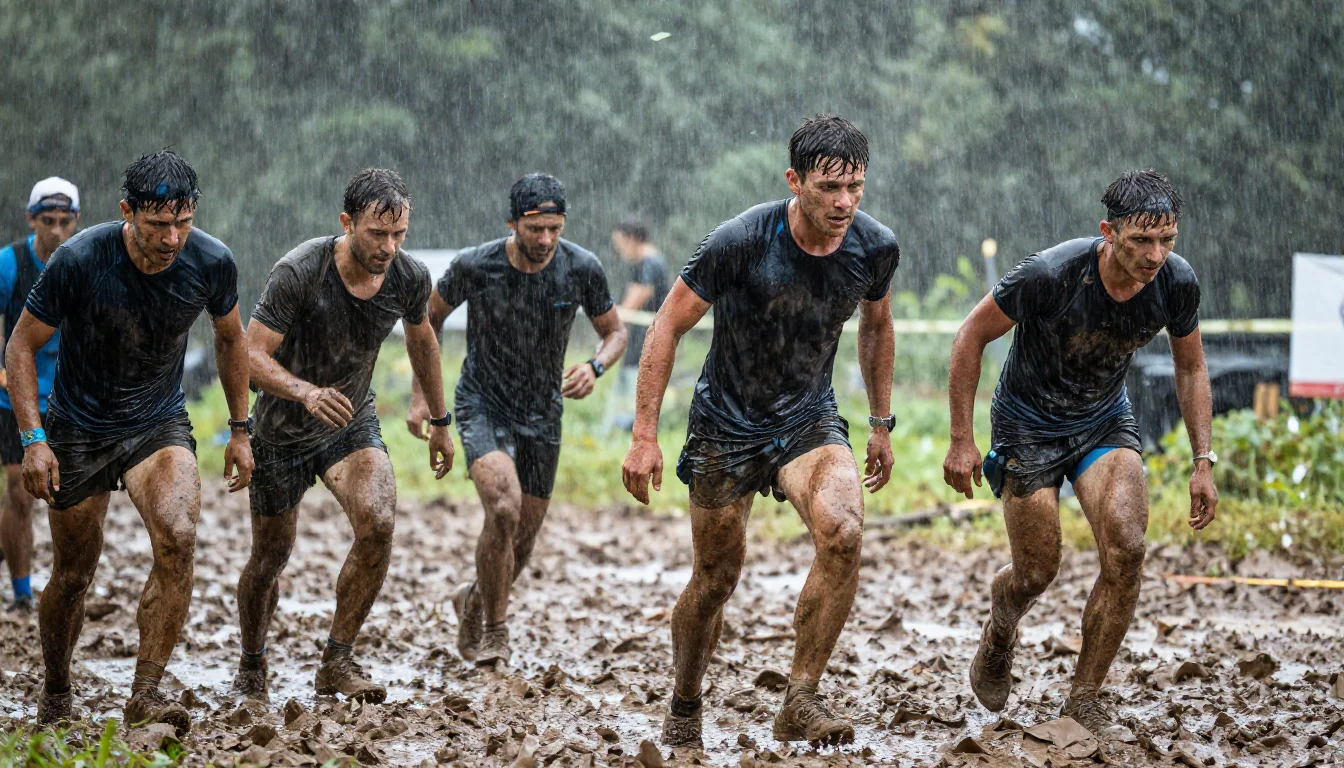
You have probably seen the mud-covered faces, the barbed wire crawls, and the fire jumps. A survival race looks like controlled chaos from the outside. But once you step onto that course, you quickly learn it is something much deeper than an obstacle run.
A survival race tests everything you think you know about yourself. It pushes your body past comfortable limits and digs into the parts of your mind you rarely visit. Hundreds of thousands of people sign up for these events every year, yet a surprising number never cross the finish line.
So what actually separates the finishers from the ones who tap out at mile three?
This article breaks down exactly what a survival race demands, how to train the right way, what gear actually matters, and how to build the mental armor you need before race day. Whether you are a first-timer or a seasoned obstacle racer, there is something here that will sharpen your edge.
What Is a Survival Race?
A survival race is a timed endurance event that combines physical obstacles, terrain challenges, and mental pressure into one continuous experience. Unlike a standard road race, you are not just running. You are climbing, crawling, carrying, lifting, and problem-solving in conditions designed to make you want to stop.
These events range from beginner-friendly 5K formats to elite multi-day challenges that cover 50 or more miles. The obstacles vary by event but typically include rope climbs, water crossings, wall scrambles, weighted carries, and crawl sections under low barriers.
Some popular formats include:
- Obstacle Course Races (OCRs): Structured courses with a set number of obstacles. Missing an obstacle usually means a penalty loop.
- Wilderness Survival Races: Less structured. You navigate terrain using maps or GPS while completing timed tasks.
- Extreme Endurance Events: Think multi-day, sleep-deprived sufferfests with no guaranteed finish line.
Each format tests a different mix of strength, cardio, and grit. Knowing which one you are entering shapes every decision you make in training.
Why People Enter a Survival Race
The reasons people sign up are as varied as the courses themselves. Some people want to prove something to themselves. Others are chasing a community. A few are genuinely trying to test their physical ceiling.
Here is what research and racer surveys consistently show:
- Personal challenge: Most first-timers report wanting to do something that scares them.
- Social connection: Group registration is extremely common. Teams finish at higher rates than solo racers.
- Fitness motivation: Having a race on the calendar keeps training consistent.
- Post-event confidence: Completing a survival race creates a measurable shift in self-belief.
I have spoken to dozens of racers at post-event gatherings, and the one thing nearly every finisher says is the same: “I did not think I could do it.” That gap between doubt and completion is exactly where a survival race lives.
The Physical Demands You Cannot Ignore
Cardiovascular Endurance
Most survival races require you to keep moving for anywhere from 90 minutes to several hours. Your aerobic base matters more than raw speed. You do not need to run fast. You need to run long, recover quickly between obstacles, and keep your heart rate from spiking into panic territory.
Build your base with:
- Long slow runs (60 to 90 minutes at a conversational pace)
- Zone 2 cardio sessions on a bike or rower
- Trail running to simulate uneven terrain
- Back-to-back training days to develop fatigue resistance
Grip Strength
This is the one physical attribute most beginners completely underestimate. Rope climbs, rig obstacles, and carries all drain your grip. When your hands fail, everything else fails with them.
Train grip with:
- Dead hangs (work up to 60 second holds)
- Farmer carries with heavy kettlebells
- Towel pull-ups
- Rock climbing or bouldering (genuinely one of the best cross-training options)
Full Body Strength
You do not need to be a powerlifter. But you do need functional strength across multiple movement patterns. Pushing, pulling, squatting, hinging, and carrying heavy things over uneven ground.
A basic weekly strength block could include:
- Deadlifts and Romanian deadlifts
- Pull-ups and ring rows
- Sandbag carries and bear hug carries
- Box step-ups with load
- Push-up variations
Mobility and Injury Resistance
Long training blocks break athletes who ignore this. Tight hips and stiff ankles turn into rolled ankles on rocky trails. Spend at least 10 minutes per day on targeted mobility work, especially hips, thoracic spine, and ankles.
The Mental Game Nobody Warns You About
Here is the honest truth: most people who do not finish a survival race quit mentally before they quit physically.
Your body can handle far more than your brain believes it can. The brain is wired to protect you from discomfort. It generates quitting thoughts early and often. “Your knees hurt. You should stop. This is not worth it.” These thoughts are normal. They are not facts.
Building Mental Toughness Before Race Day
You cannot show up undertrained and expect mental grit to carry you. Preparation builds real confidence. But you can also train your mind directly.
Deliberate discomfort practice means doing things in training that are genuinely hard and uncomfortable. Cold showers. Finishing a workout when you want to stop. Running the last mile faster, not slower.
Visualization works. Spend five minutes before sleep imagining yourself moving through a difficult section of the race and choosing to keep going. Athletes who use visualization consistently perform better under pressure.
Reframing suffering is a skill. When it hurts, shift from “I need to stop” to “I am exactly where I need to be.” The suffering is the point. You signed up for this.
The Power of Your Crew
If you are doing a team or buddy event, your crew matters enormously. Teams who communicate, encourage, and pace each other together finish at dramatically higher rates. Choose your race partners carefully. Someone who panics or complains constantly is a real liability.
Gear That Actually Matters
You do not need expensive gear to finish a survival race. But the wrong gear will ruin your day faster than any obstacle.
Footwear
This is your single most important gear decision. You need a trail shoe with:
- Aggressive grip for mud and wet rock
- Drainage ports for water obstacles
- Enough toe room to prevent black toenails on long descents
Avoid road running shoes. They turn into slippery death traps the moment they get wet.
Clothing
Wear synthetic or merino wool fabrics. Cotton holds water, adds weight, and causes chafing at scale. For cold weather events, layer with a moisture-wicking base and a light wind layer you can tie around your waist.
Compression shorts under your outer layer can prevent inner thigh chafing over long distances.
Gloves
Optional for shorter events. Recommended for anything over 10 miles or courses with heavy rope and rig sections. Thin grip gloves protect your hands without killing your dexterity.
Hydration
A hydration vest beats a handheld bottle every time for longer events. Look for one with front pockets for gels and a whistle clip. Know where the aid stations are and plan your water intake accordingly.

Common Mistakes That Cost Racers the Finish Line
Going Out Too Fast
The early miles feel easy. Your adrenaline is pumping. You are surrounded by other racers. This is a trap. Going out too fast torches your glycogen stores and leaves you bonking at mile eight.
Start slower than you think you need to. You can always pick up pace in the back half.
Skipping Nutrition
Most first-timers under-fuel. You are burning 600 to 900 calories per hour during intense effort. If you are racing for two hours or more, you need to eat something. Gels, chews, real food at aid stations. Start eating before you feel hungry. By the time hunger hits, you are already behind.
Not Practicing Obstacles
If your event includes a rope climb, and you have never done a rope climb in training, race day is not the time to learn. Practice the specific skills your course demands. Most OCR gyms and fitness facilities can help.
Wearing New Gear
Never race in gear you have not worn in training. New shoes cause blisters. New vests cause chafing. New socks fold and cut. Test everything in at least two long training sessions before race day.
Race Day Strategy That Separates Smart Racers
The Night Before
Lay out all your gear. Eat a real dinner with carbohydrates and protein. Go to bed at a reasonable hour. Avoid alcohol. Hydrate well but do not overdo it.
Race Morning
Eat 90 minutes to two hours before your start. Something familiar and carbohydrate-focused. Oats, toast, a banana. Warm up with a 10-minute easy jog and dynamic stretching.
On the Course
- Pace by effort, not by time
- Attack obstacles with confidence but assess before you leap
- Eat and drink on a schedule, not just at aid stations
- If you fall or fail an obstacle, reset your mental state before moving on
- Help other racers when you can. It costs you little and builds community
After the Race: Recovery That Actually Works
You crossed the finish line. You earned your medal or your headband or whatever your event hands out. Now what?
Your body needs 48 to 72 hours of reduced effort after any event longer than 10K. Use this time for:
- Light walking and gentle movement
- High-protein meals to support muscle repair
- Extra sleep (seriously, your recovery happens during sleep)
- Cold water immersion if you have access to it
Avoid jumping straight back into hard training. The week after a survival race is for active recovery, not performance.
Conclusion
A survival race is one of the most honest experiences you will ever put yourself through. It does not care about your job title, your excuses, or what you told yourself you were capable of. It just shows you.
The athletes who finish are not always the fittest. They are the most prepared, the most honest about their weaknesses, and the most committed to moving forward when everything in them says stop.
Start with the right event for your fitness level. Build a real training base. Practice your obstacles. Choose your crew wisely. Eat, hydrate, and pace like someone who has done this before.
And then go do it.
Have you already completed a survival race, or are you gearing up for your first one? Drop your experience in the comments. Your story might be exactly what someone else needs to hear before they sign up.
Frequently Asked Questions
1. What is the difference between a survival race and an obstacle course race? A survival race is a broader category that can include wilderness navigation, team challenges, and multi-day endurance formats. An obstacle course race is a specific type of survival race focused on physical obstacles on a set course.
2. How long does a typical survival race take to complete? It depends on the distance and your fitness level. Most beginner-friendly events take 60 to 120 minutes. Longer events can take four to eight hours or more.
3. Do I need to be a strong runner to enter a survival race? Not necessarily. Many participants walk large portions of the course. Running fitness helps, but obstacle completion and mental toughness often matter more than pure running speed.
4. What should I eat the morning of a survival race? Eat a light to moderate meal rich in carbohydrates and some protein about 90 minutes before your start. Oatmeal, toast with peanut butter, or eggs and rice all work well. Avoid heavy fats or anything that upsets your stomach.
5. Can beginners complete a survival race? Yes. Most survival race events have beginner-friendly categories or distances specifically designed for newcomers. Choose a shorter format, train consistently for eight to twelve weeks, and focus on completing rather than competing.
6. What happens if I cannot complete an obstacle? In most obstacle course races, you complete a penalty loop (usually 30 burpees or a short run loop) and continue. In some competitive heats, failing an obstacle results in disqualification from podium placement.
7. Is it safe to do a survival race alone? You can register and race solo at most events. However, racing with a partner or team is safer, more enjoyable, and statistically leads to higher completion rates.
8. How many weeks of training do I need before a survival race? For a beginner targeting a 5K event, eight to twelve weeks of structured training is a solid foundation. For longer or more extreme events, allow four to six months minimum.
9. What is the hardest part of a survival race for most people? Most experienced racers point to the mental component as the hardest part. Physical obstacles can be trained for. Managing doubt, discomfort, and the urge to quit requires deliberate mental preparation.
10. How do I find a survival race near me? Search event directories like Spartan Race, Tough Mudder, OCR World Championships listings, or local endurance event calendars. Facebook groups for obstacle racers in your region are also a solid resource.
also read: bestswitchgames.com
email: johanharwen@314gmail.com
Author Name: Jordan Mercer
About the Author : Jordan Mercer is a certified strength and conditioning specialist and endurance sports writer with over a decade of experience competing in obstacle course and trail events. Jordan has completed more than 30 races across four countries, from 5K beginner events to 50-mile extreme endurance formats. His writing focuses on practical training strategies, race-day execution, and the mental side of performance. When he is not on a trail, he coaches athletes preparing for their first and fastest finishes.