
Introduction
At some point in your life, you will almost certainly need to deal with the social security office. Whether you are applying for retirement benefits, replacing a lost Social Security card, or navigating disability claims, this government institution touches the lives of millions of Americans every single year. The process can feel overwhelming if you walk in without preparation.
The social security office is one of the most visited federal agencies in the United States. According to the Social Security Administration, the agency serves over 70 million beneficiaries annually. That number tells you just how central this office is to everyday American life.
This guide covers everything you need to know before, during, and after your visit. You will learn what services are available, how to make an appointment, what documents to bring, and how to avoid the most common frustrating mistakes. Whether you are visiting for the first time or returning after years, this article will help you walk in prepared and walk out with what you need.
What Is a Social Security Office?
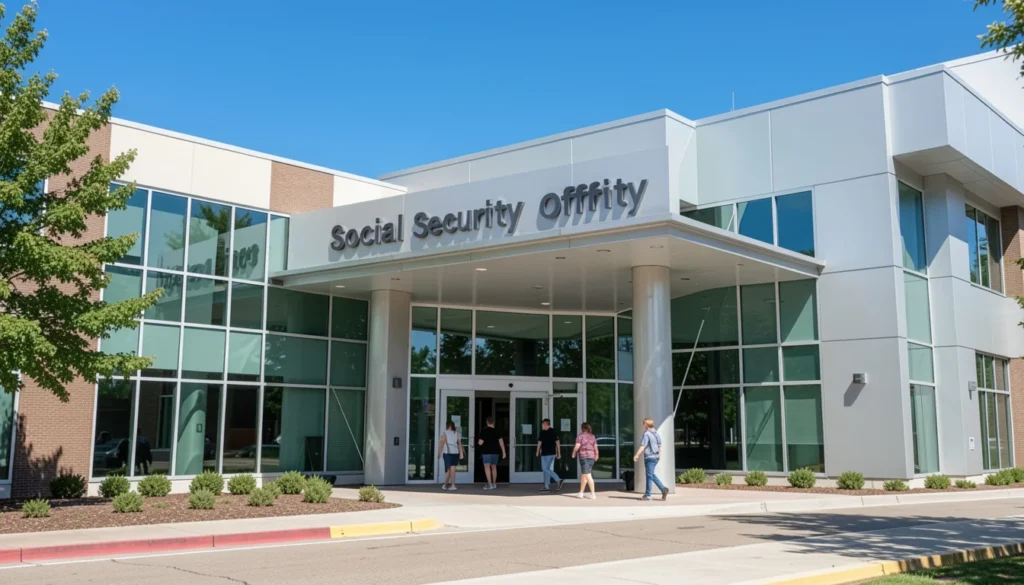
A social security office is a physical location operated by the Social Security Administration, commonly known as the SSA. These offices are spread across the United States and serve as the in-person access points for federal Social Security programs and services.
The SSA was created in 1935 under President Franklin D. Roosevelt as part of the New Deal. Its original mission was to provide financial support to elderly Americans who had lost their savings during the Great Depression. Today, its mission has expanded significantly to cover retirement, disability, survivors, and supplemental income programs.
There are currently more than 1,200 Social Security field offices operating across the country. Each one serves a specific geographic area and handles cases for residents in that region. You are generally expected to work with the office that serves your zip code, though this rule has some flexibility in certain situations.
The people who work at the social security office are federal employees trained to handle a specific set of programs. They process applications, review documentation, answer benefit questions, and make decisions that can significantly affect your financial life. Treating them with respect and coming prepared goes a very long way.
What Services Does the Social Security Office Provide?
The social security office handles a wide range of programs and requests. Understanding what they do helps you know whether you need to visit in person or whether you can handle your matter online or over the phone.
Here is a clear list of the core services the office provides:
Retirement Benefits
You can apply for retirement benefits starting at age 62. The office processes your application, calculates your benefit amount based on your earnings history, and sets up your monthly payment schedule.
Disability Benefits
The SSA runs two disability programs. Social Security Disability Insurance, known as SSDI, serves people who have worked and paid into the system. Supplemental Security Income, known as SSI, serves people with limited income and resources regardless of work history.
Survivors Benefits
When a worker dies, their spouse, children, or other dependents may qualify for monthly benefits. The office handles these applications and ongoing case management.
Social Security Cards
You can request a replacement Social Security card at the office. First-time cards for newborns and name change requests are also handled here.
Medicare Enrollment
The SSA handles enrollment in Medicare Part A and Part B. You can sign up at the social security office even though Medicare itself is run by a separate federal agency.
Benefit Verification Letters
If you need proof of your current benefit amount for housing, loans, or legal matters, the office can issue an official verification letter.
Appeal Hearings
If your application for benefits was denied, the office manages the appeals process through multiple levels of review.
Do You Really Need to Visit in Person?
This is one of the most common questions people ask. The honest answer is that many Social Security tasks do not require a physical visit anymore. The SSA has invested significantly in its online platform called my Social Security, available at ssa.gov, which handles a growing list of services.
You can do the following online without setting foot in an office:
- Apply for retirement benefits
- Apply for Medicare
- Check the status of a pending application
- Request a benefit verification letter
- Get your Social Security statement
- Change your direct deposit information
- Request a replacement Social Security card in most states
However, certain situations do require a visit. If your case involves complex documentation, if you have a disability claim that needs supporting evidence reviewed, or if you need to appeal a denial in person, then visiting the social security office becomes necessary. We will cover those specific situations in detail later in this article.
My personal advice is always to try the online route first. It saves time, avoids waiting rooms, and in many cases gets you faster results. But when you do need to visit in person, being prepared makes all the difference.
How to Find Your Nearest Social Security Office
Finding your local social security office is straightforward. The SSA provides an online office locator tool on its website where you simply enter your zip code to find the nearest location, its address, phone number, and hours of operation.
If you do not have internet access, you can call the SSA national toll-free number at 1-800-772-1213. Representatives are available Monday through Friday during business hours and can direct you to the correct office for your area. TTY service for the hearing impaired is available at 1-800-325-0778.
Most major cities have multiple Social Security offices. Rural areas typically have one office that may serve a large geographic region. If you live in a very rural area, the SSA also has mobile service options in some regions where staff travel to underserved communities.
When you look up your nearest office, take note of the specific hours. Not all offices maintain identical schedules, and some have reduced hours on certain days of the week. Knowing this before you go prevents wasted trips.
How to Make an Appointment at the Social Security Office
You do not always need an appointment to visit the social security office. Most offices accept walk-ins during business hours. However, making an appointment is strongly recommended and almost always results in shorter wait times.
To make an appointment, you have three options:
- Call the national SSA number at 1-800-772-1213 and ask to schedule an appointment at your local office.
- Call your local office directly using the number listed on the SSA office locator.
- In some locations, the SSA offers online appointment scheduling through the my Social Security portal.
When you call to schedule, have a general sense of what you need to accomplish. The representative will ask you about the purpose of your visit so they can assign the right amount of time and direct you to the appropriate department or staff member.
Appointments made in advance typically receive priority service over walk-ins. If your time is valuable and your matter is important, scheduling ahead is the smarter approach. I have always found that calling early in the morning on a Tuesday or Wednesday results in shorter hold times than calling on a Monday or Friday.
What to Bring With You to the Social Security Office
Bringing the right documents to the social security office can make or break your visit. Nothing is more frustrating than waiting for an hour only to be told you are missing a critical piece of paperwork.
Here is a general checklist of documents you should consider bringing depending on your specific purpose:
For All Visits
- Your Social Security number or card if you have it
- A valid government-issued photo ID such as a passport or state driver’s license
- Your current address and contact information
For Retirement Benefit Applications
- Proof of age such as a birth certificate
- Your most recent W-2 forms or self-employment tax returns
- Military discharge papers if you served in the armed forces
For Disability Benefit Applications
- Medical records from all treating physicians
- Names, addresses, and phone numbers of all doctors and hospitals
- A list of all medications and dosages
- Work history information for the past 15 years
For Replacement Social Security Cards
- Proof of identity such as a passport or driver’s license
- Proof of citizenship or lawful immigration status if applicable
- Proof of legal name change if your name has changed
For Survivors Benefits
- Proof of the deceased worker’s death such as a death certificate
- Proof of your relationship to the deceased such as a marriage certificate or birth certificate
- The deceased worker’s Social Security number
Bringing originals is always better than photocopies. The office staff will make copies of originals and return them to you. However, they cannot always accept photocopies as primary documentation.
What to Expect on the Day of Your Visit
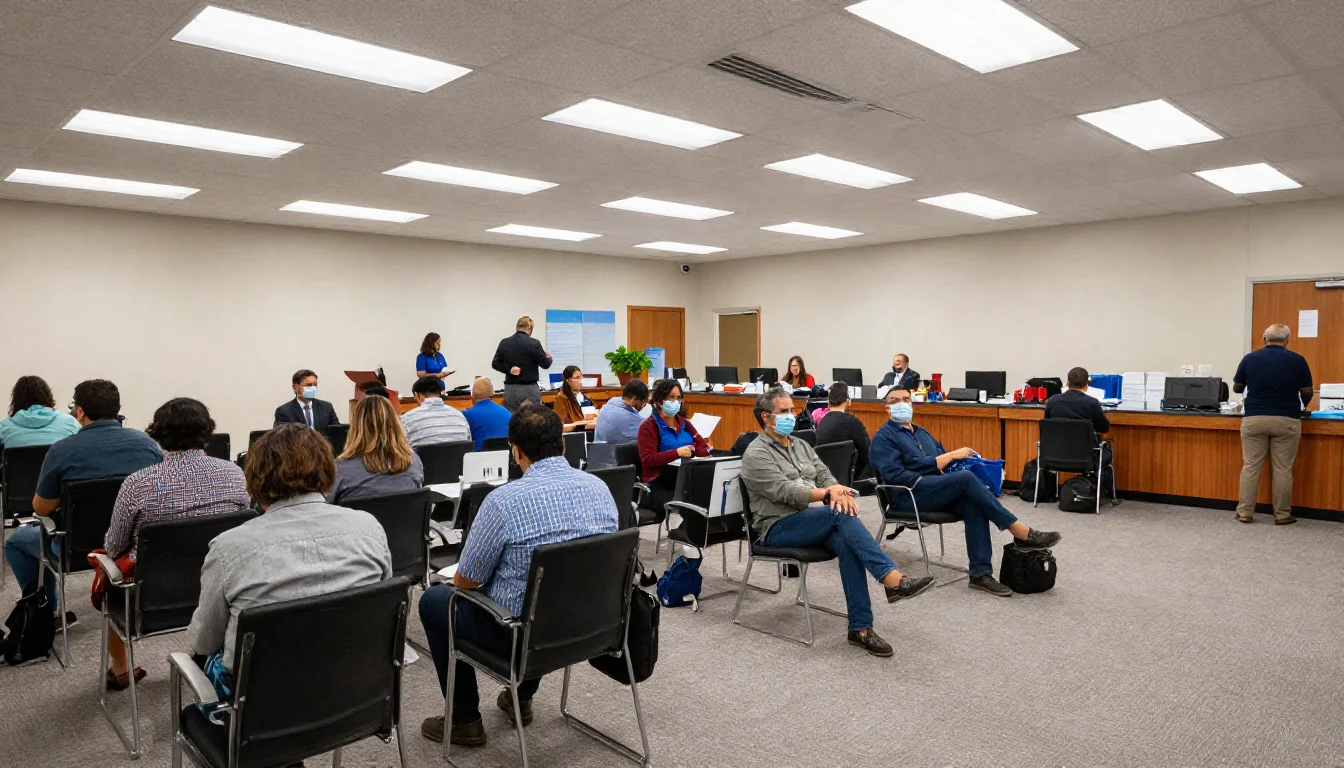
Walking into a social security office for the first time can feel a bit intimidating. Knowing what to expect helps you stay calm and efficient.
When you arrive, you will typically check in at a front desk or a check-in kiosk. If you have an appointment, let the staff know immediately. They will log your arrival and direct you to a waiting area. Walk-in visitors check in the same way but may wait longer depending on current volume.
Waiting rooms at Social Security offices can be busy, especially early in the week and at the start of the month. Bring something to read or do while you wait. The average in-person wait time before being called to a window or private interview room varies significantly by location and time of day.
When your name or number is called, you will meet with a claims representative or service representative at either a window or a private office. Be ready to explain your reason for visiting clearly and concisely. Have your documents organized and easy to access. The cleaner and more organized your presentation, the faster the representative can help you.
The representative may process your request on the spot, or they may initiate a longer review process that continues after your visit. Ask clearly before you leave what the next steps are and how long you should expect to wait for a decision or a follow-up.
Common Reasons People Visit the Social Security Office
Understanding why people visit helps you gauge whether your situation requires in-person attention. Here are the most common reasons Americans show up at the social security office each year:
Applying for Retirement Benefits
This is the most common reason by volume. As the baby boomer generation continues to reach retirement age, retirement applications represent a massive portion of office workload.
Applying for SSDI or SSI Disability Benefits
Disability applications are complex and often require in-person meetings, especially at the initial application stage and during the appeals process.
Requesting a Replacement Social Security Card
Lost or stolen cards are a frequent reason for visits. You are allowed to replace your card up to three times per year and up to 10 times in your lifetime.
Resolving Benefit Payment Issues
If your payment is wrong, late, or missing, the office can investigate and correct the issue directly.
Updating Personal Information
Name changes after marriage or divorce, address updates, and direct deposit changes sometimes require in-person verification.
Enrolling in Medicare
Many people visit the social security office specifically to handle Medicare enrollment, especially those who do not qualify for automatic enrollment.
Following Up on Pending Applications
Sometimes a case gets stuck and a phone call is not enough. An in-person visit can often move things forward more effectively.
Tips for a Faster and Smoother Experience
After researching how the social security office operates and speaking with people who have navigated the process, a few practical tips consistently make the experience better.
Visit mid-week and mid-morning. Mondays and Fridays are always the busiest days. Tuesday, Wednesday, and Thursday mornings tend to have shorter lines.
Avoid the first and last week of the month. More people visit at these times due to benefit payment schedules and end-of-month deadlines.
Call ahead for complex cases. If your situation involves multiple programs, a complicated medical history, or prior denials, call the office before you visit. Ask what documents they specifically need and whether they can flag your case before you arrive.
Organize your paperwork before you go. Use folders or labeled envelopes to separate different types of documents. Representatives appreciate organized applicants and can process their requests significantly faster.
Write down your questions. It sounds simple, but waiting rooms create anxiety and it is easy to forget what you came to ask. Write your questions on paper before you leave home.
Be patient and polite. Social Security office staff handle a high volume of emotionally charged situations every day. A calm and respectful demeanor will always serve you better than frustration or aggression.
Social Security Office Hours and Wait Times
Most Social Security offices operate Monday through Friday from 9:00 AM to 4:00 PM local time. Some offices open earlier at 8:00 AM or 8:30 AM. Saturday and Sunday hours are not typically available at standard field offices.
Phone lines to the national SSA number are open from 8:00 AM to 7:00 PM Monday through Friday in all time zones. Automated services are available 24 hours a day through the same number.
Wait times vary enormously by location. Urban offices in major cities often have the longest wait times, sometimes exceeding an hour or more for walk-in visitors. Suburban and rural offices typically have shorter waits. Appointment holders usually receive service within 15 to 30 minutes of their scheduled time.
If wait time is a major concern for you, consider using online services first. The SSA online portal handles many requests instantly without any waiting at all.
Special Circumstances: When You Must Visit in Person
Certain situations make a visit to the social security office not just helpful but required. Knowing these in advance saves you time and prevents the frustration of starting a process online and then discovering you need to appear in person anyway.
You must visit in person for the following situations:
First-time Social Security card applications for adults that cannot be processed through the mail require an in-person identity verification visit.
Certain disability appeal hearings before an Administrative Law Judge take place either at your local office or at a designated hearing center. These cannot be conducted remotely in all cases.
Complex identity verification situations where your records do not match the documentation you provide require a staff member to review your case directly.
Applying for benefits when your identity cannot be confirmed digitally is another common reason for mandatory in-person visits. This most often affects elderly applicants who were born before digital records existed.
Emergencies such as immediate financial need also qualify for expedited in-person service in some cases. If you face a dire financial situation and need benefits urgently, visiting the office and explaining your circumstances directly can accelerate the process.
How to Handle Problems or Complaints
Sometimes things do not go the way you hoped at the social security office. Your application gets denied, your information was processed incorrectly, or a representative gave you unclear guidance. Knowing what to do in these situations protects your rights and keeps your case moving forward.
If your application is denied, you have the right to appeal. The appeals process has four levels: reconsideration, hearing by an Administrative Law Judge, review by the Appeals Council, and finally federal court review. You typically have 60 days from the date of your denial notice to file an appeal.
If you received incorrect information, document what you were told and when. Get the name or employee ID of the representative you spoke with if possible. You can escalate the matter to a supervisor at the office or contact the SSA regional office that oversees your local branch.
If you want to file a formal complaint, the SSA Office of the Inspector General accepts complaints about fraud, waste, abuse, and employee misconduct. You can reach them through the SSA website or by calling their hotline.
If you need help navigating a complex situation, consider reaching out to a Social Security attorney or an accredited claims representative. Many disability attorneys work on a contingency basis, meaning you pay nothing unless you win your case.
Conclusion
The social security office plays a vital role in the financial lives of tens of millions of Americans. Whether you are just turning 62 and thinking about retirement, dealing with a disability that has affected your ability to work, or simply replacing a lost card, understanding how the office works gives you a significant advantage.
The most important things to remember are these: check whether your task can be done online before making the trip, make an appointment whenever possible, bring the right documents organized and ready to present, and visit mid-week during mid-morning hours for the shortest possible wait.
The social security office exists to serve you. It processes some of the most important financial decisions in your life, and approaching it prepared and informed makes the entire experience far less stressful and far more productive.
Have you had an experience at the social security office that taught you something valuable? Share this guide with someone you know who is about to make their first visit. And if you found a tip in here that saved you time or stress, pass it along. The more people know about how this process works, the smoother it goes for everyone.
FAQs
1. What does the social security office do?
The social security office processes applications and manages benefits for retirement, disability, survivors programs, and Supplemental Security Income. It also issues Social Security cards and handles Medicare enrollment on behalf of the federal government.
2. Do I need an appointment to visit the social security office?
No. Most offices accept walk-in visitors during business hours. However, making an appointment almost always results in a shorter wait and better service. You can schedule by calling 1-800-772-1213 or your local office directly.
3. What are the hours of the social security office?
Most Social Security offices are open Monday through Friday from 9:00 AM to 4:00 PM. Some offices open earlier. Weekend hours are not typically available at standard field offices.
4. Can I handle my Social Security business online instead of visiting in person?
Yes, for many services. The my Social Security online portal at ssa.gov allows you to apply for retirement and Medicare benefits, check application status, request verification letters, and replace your Social Security card in most states without visiting in person.
5. What documents should I bring to the social security office?
The documents you need depend on your reason for visiting. For most visits, bring a valid photo ID, your Social Security number, and any documentation specific to your request such as a birth certificate, medical records, or a death certificate for survivors benefits.
6. How long does it take to get a decision after visiting the social security office?
It depends on the type of request. Simple requests like card replacements can be processed quickly. Disability benefit applications take an average of three to six months for an initial decision. Appeals can take significantly longer.
7. What should I do if my Social Security application is denied?
You have the right to appeal a denial. You must file your appeal within 60 days of receiving your denial notice. The appeals process starts with a reconsideration review and can eventually go before a federal judge if needed.
8. Can someone go to the social security office on my behalf?
Yes. You can designate a representative, such as a family member, attorney, or claims advocate, to act on your behalf. You will need to complete a form called SSA-1696 to officially appoint a representative.
9. Is there a phone number for the social security office?
Yes. The national SSA toll-free number is 1-800-772-1213. It is available Monday through Friday from 8:00 AM to 7:00 PM. TTY users can call 1-800-325-0778. You can also call your specific local office directly.
10. How many times can I replace my Social Security card?
You can replace your Social Security card up to three times in a single year and up to 10 times over your entire lifetime. Exceptions may apply in cases of name changes due to marriage, divorce, or legal name change proceedings.
Also Read In bestswitchgames.com
Email: johanharwen314@gmail.com
Author Name: Hamid Ali
About the Author: Hamid Ali is a professional writer with a strong focus on government services, personal finance, and public policy topics. He believes that every person deserves access to clear and accurate information about the programs designed to support them. Hamid writes with simplicity and empathy because he knows that navigating government systems can feel overwhelming, and the right guidance truly makes a difference. When he is not writing, he is reading, researching, and finding new ways to make complex systems understandable for everyday people.