
Introduction
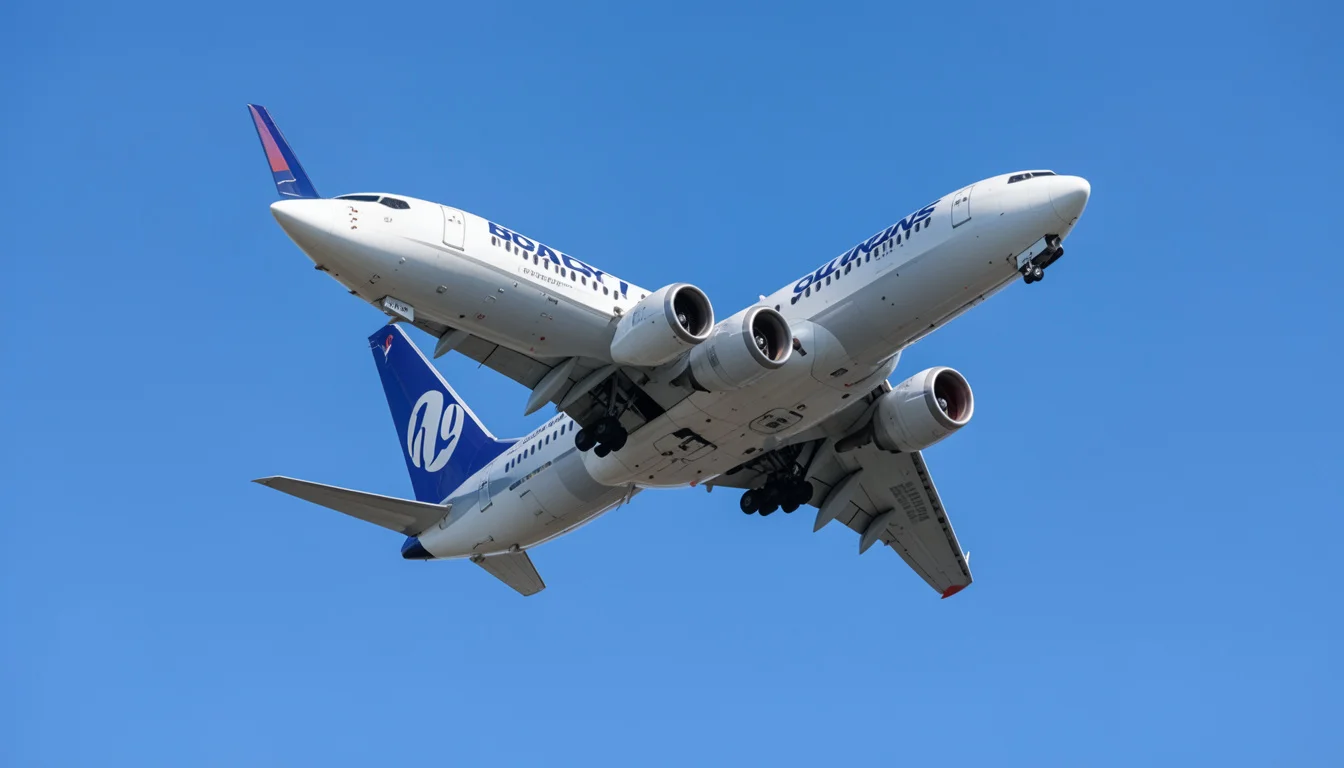
The Boeing 737 MAX 8 became one of the most discussed aircraft in modern aviation history after two devastating crashes shocked the world. Designed as an advanced and fuel-efficient passenger jet, the aircraft was involved in the tragic losses of Lion Air Flight 610 in 2018 and Ethiopian Airlines Flight 302 in 2019, resulting in the deaths of 346 people. These accidents raised serious questions about aircraft design, pilot training, safety systems, and regulatory oversight. In this article, we will explore what really caused the Boeing 737 MAX 8 crashes, the role of the MCAS system, and how these tragedies changed aviation safety forever.
Background: What Is the Boeing 737 MAX 8?
The Boeing 737 MAX 8 is the fourth generation of the legendary Boeing 737 family, one of the most commercially successful aircraft lines in aviation history. Boeing introduced the MAX series in 2017 as a direct response to Airbus’s fuel-efficient A320neo. Airlines around the world were eager to upgrade their fleets, and the MAX 8 promised lower fuel costs and a modern flying experience.
On paper, the Boeing 737 MAX 8 looked like a winner. It featured larger, more fuel-efficient CFM LEAP-1B engines. It promised 14 percent better fuel efficiency than its predecessor. It had a longer range and updated cockpit technology. Over 5,000 orders poured in from airlines worldwide before the problems began.
But underneath this promising exterior, a serious design flaw was quietly taking shape.
Why Did Boeing Change the Engine Design?
The Boeing 737 MAX 8 used bigger engines than previous 737 models. Because the plane’s frame sat lower to the ground, Boeing had to mount these engines higher and further forward on the wings. This change shifted the aircraft’s center of gravity and caused the nose to pitch upward more aggressively during certain flight conditions.
To compensate for this aerodynamic shift, Boeing engineers developed a software system called the Maneuvering Characteristics Augmentation System, commonly known as MCAS.
What Is MCAS and Why Did It Fail?
MCAS was designed to automatically push the nose of the Boeing 737 MAX 8 downward when sensors detected the aircraft was climbing at too steep an angle. The goal was to make the MAX 8 handle similarly to older 737 models, which would reduce the need for additional pilot training.
Here is where the problems began.
MCAS relied on data from a single angle-of-attack (AoA) sensor. If that one sensor malfunctioned or sent incorrect data, MCAS would activate even when the plane was flying normally. When MCAS pushed the nose down incorrectly, pilots had just seconds to respond before the situation became unrecoverable.
Critically, many pilots were not even told MCAS existed. Boeing kept the system out of pilot training manuals and did not disclose it fully to the Federal Aviation Administration (FAA). The reasoning, as later revealed, was partly commercial: adding new training requirements would cost airlines money and potentially reduce demand for the aircraft.
The Two Crashes That Changed Everything
Lion Air Flight 610 (October 29, 2018)
The first crash happened shortly after takeoff from Jakarta, Indonesia. Lion Air Flight 610, a Boeing 737 MAX 8, plunged into the Java Sea just 13 minutes after departure. All 189 people on board died.
Investigators later found that a faulty AoA sensor had triggered MCAS incorrectly. The system pushed the nose down repeatedly, and the pilots struggled to override it. Flight data showed the crew pulled the nose up over two dozen times before the aircraft hit the water.
What made this tragedy even more disturbing was what came next. Boeing and the FAA reviewed the crash data. Warning signs were there. But the Boeing 737 MAX 8 remained in service.
Ethiopian Airlines Flight 302 (March 10, 2019)
Just five months later, Ethiopian Airlines Flight 302 crashed near Addis Ababa six minutes after takeoff. Another Boeing 737 MAX 8. Another 157 people killed, from 35 different countries.
The similarities between the two crashes were impossible to ignore. The same aircraft. The same software. The same tragic outcome.
Investigators confirmed that MCAS had again activated based on faulty sensor data. The pilots followed Boeing’s emergency procedures but could not stop the plane from diving into the ground.
Global Reactions: The World Grounded the MAX 8
Within days of the Ethiopian Airlines crash, countries around the world began grounding the Boeing 737 MAX 8. China was the first to act, followed quickly by the European Union, Canada, Australia, and dozens of other nations.
The United States was notably slower to respond. The FAA, which had approved the aircraft, initially resisted calls for grounding. President Trump ultimately ordered the grounding of all Boeing 737 MAX 8 aircraft in the United States on March 13, 2019, three days after the Ethiopian crash.
The groundings exposed a troubling dynamic: aviation regulators around the world had trusted Boeing to self-certify many of its own safety systems. The FAA, understaffed and overwhelmed, had delegated significant safety oversight back to Boeing itself.
Airlines and Passengers React
Airlines scrambled to rebook passengers and manage their fleets. Southwest Airlines, one of the largest operators of the Boeing 737 MAX 8, canceled thousands of flights. American Airlines and United Airlines followed suit. Passengers demanded answers. Some travelers refused to board any Boeing plane, even models unrelated to the MAX.
The financial damage to Boeing was staggering. The company lost billions in revenue, paid out billions more in settlements, and saw its stock price collapse.
Boeing’s Response: Too Little, Too Late?
Boeing’s initial response to the crisis drew heavy criticism. The company was slow to acknowledge the role of MCAS in the crashes. Internal communications later revealed that some Boeing employees had raised concerns about MCAS years earlier. One employee wrote in an internal message that the aircraft was “designed by clowns, who in turn are supervised by monkeys.” These messages, released by Boeing under congressional pressure, shocked the public and damaged the company’s credibility deeply.
Boeing’s CEO Dennis Muilenburg was eventually fired in December 2019. The company spent nearly two years redesigning MCAS. The updated system now uses data from two AoA sensors instead of one. It activates with less force. It cannot repeatedly override pilot inputs.
In November 2020, the FAA recertified the Boeing 737 MAX 8 to fly again. Other countries followed over the following months, though some took significantly longer to restore their confidence in the aircraft.
Impact on the Aviation Industry
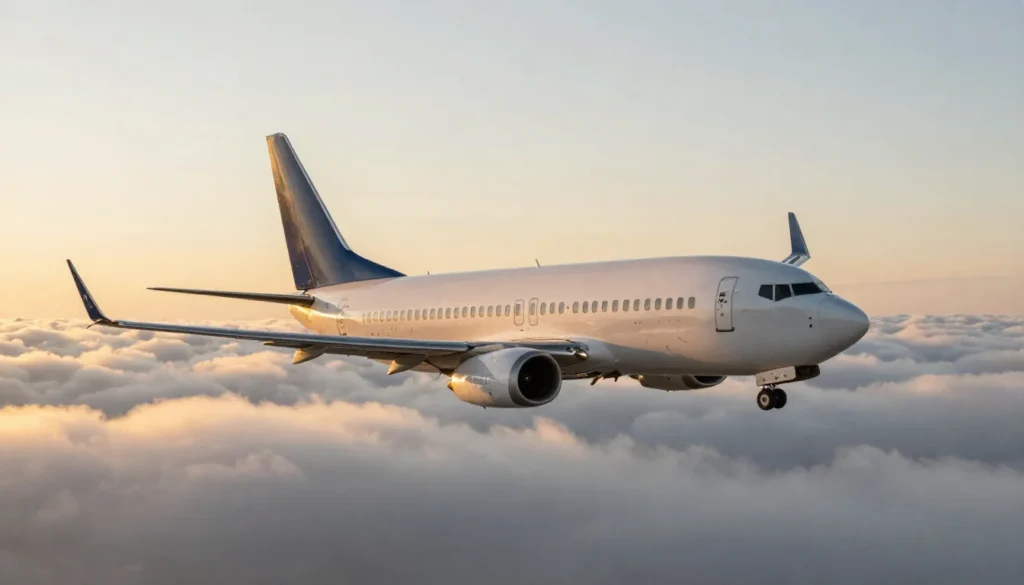
The Boeing 737 MAX 8 crisis did not just hurt Boeing. It sent shockwaves across the entire aviation industry.
Regulatory overhaul: The FAA came under intense scrutiny for its cozy relationship with Boeing. Congress passed the Aircraft Certification, Safety, and Accountability Act in 2020, which reformed how aircraft get certified and increased oversight of aviation manufacturers.
Pilot awareness: Airlines and regulators worldwide mandated new training for MAX 8 pilots. Pilots now receive specific instruction on MCAS and how to respond if it activates incorrectly.
Corporate accountability: Boeing agreed to pay over 2.5 billion dollars in a settlement with the U.S. Department of Justice in January 2021. This included a 243.6 million dollar criminal fine, 1.77 billion dollars in compensation to airline customers, and a 500 million dollar fund for victims’ families.
Public trust: Surveys conducted after the crashes showed a significant decline in passenger willingness to fly on a Boeing 737 MAX 8, even after the plane was recertified. Some passengers specifically asked airlines whether their flight was operated by a MAX aircraft before booking.
Competitor gains: Airbus benefited directly from Boeing’s crisis. The A320neo family gained enormous market share as airlines diversified their fleets and reduced dependence on the MAX. Source : flydubai
Expert Analysis: What the Experts Say
Aviation safety experts have been blunt about what went wrong with the Boeing 737 MAX 8. The consensus is clear: this was not just a technical failure. It was a systemic failure involving engineering decisions, regulatory gaps, corporate pressure, and a culture that prioritized speed and profit over safety.
Dr. Todd Curtis, an aviation safety analyst, has pointed out that the reliance on a single sensor for a critical safety system violated basic principles of redundancy in aviation design. Most critical systems on commercial aircraft use multiple sensors precisely to prevent single points of failure.
Peter Robison, author of “Flying Blind,” spent years reporting on Boeing’s internal culture. He found that Boeing had shifted from an engineering-driven culture to a finance-driven one following its 1997 merger with McDonnell Douglas. Cost-cutting, shareholder returns, and competitive pressure increasingly overrode the voices of safety engineers.
Congressional investigators concluded that Boeing concealed crucial information from the FAA and withheld MCAS details from pilots. A House Transportation Committee report released in September 2020 called the MAX crashes “the horrific culmination of a series of faulty technical assumptions by Boeing’s engineers, a lack of transparency on the part of Boeing’s management, and grossly insufficient oversight by the FAA.”
The Boeing 737 MAX 8 crisis has since become a case study in engineering ethics programs at universities worldwide. It illustrates what can go wrong when commercial interests and safety imperatives conflict, and when the systems designed to prevent such conflicts fail.
Where Does the Boeing 737 MAX 8 Stand Today?
The Boeing 737 MAX 8 is flying again. Airlines around the world have returned it to service, and Boeing has delivered hundreds of new MAX aircraft since recertification. Pilots now train specifically on the updated MCAS system. The FAA has increased its oversight of Boeing’s manufacturing and engineering processes.
But the story is not entirely closed. Boeing has faced additional safety concerns in recent years, including quality control issues in its manufacturing facilities. The company’s relationship with regulators remains under intense scrutiny. And for the families of the 346 people who lost their lives, no amount of regulatory reform brings their loved ones back.
If you plan to fly on a Boeing 737 MAX 8, you can check your flight’s aircraft type on most booking platforms. The recertified MAX has flown millions of passengers safely since its return to service. Whether you feel comfortable flying on it is, ultimately, a personal decision informed by facts, not fear.
Conclusion: A Tragedy That Changed Aviation Forever
The Boeing 737 MAX 8 story is a sobering reminder of how quickly trust can collapse when safety shortcuts enter the picture. Two crashes, 346 deaths, a global grounding, billions in losses, and years of legal battles all trace back to a software system that relied on one sensor and was hidden from the people who needed to know about it most: the pilots.
Aviation has always learned from its tragedies. The changes that followed the Boeing 737 MAX 8 crisis, from regulatory reform to redesigned systems to new pilot training requirements, have made commercial aviation safer. But the cost of those lessons was catastrophically high.
The most important takeaway is this: safety must come before speed, before profit, and before competitive pressure. When it does not, the consequences are irreversible.
What do you think should have been done differently to prevent the Boeing 737 MAX 8 crashes? Share your thoughts, and pass this article along to anyone who wants to understand one of aviation’s most defining moments.
Frequently Asked Questions (FAQs)
1. What caused the Boeing 737 MAX 8 crashes?
Both crashes were primarily caused by the MCAS software system activating incorrectly due to a faulty angle-of-attack sensor. MCAS pushed the aircraft’s nose down when it should not have, and pilots were unable to override it in time.
2. How many people died in the Boeing 737 MAX 8 crashes?
A total of 346 people died in the two crashes: 189 in the Lion Air crash in October 2018 and 157 in the Ethiopian Airlines crash in March 2019.
3. Is the Boeing 737 MAX 8 safe to fly on now?
The Boeing 737 MAX 8 was recertified by the FAA in November 2020 after Boeing redesigned the MCAS system. It has since returned to service with airlines worldwide and has operated millions of flights safely.
4. Why was MCAS not disclosed to pilots?
Boeing did not fully disclose MCAS to pilots or include it in standard training materials. Investigators found this was partly driven by a desire to avoid additional training costs for airlines and to maintain a competitive edge over Airbus.
5. How long was the Boeing 737 MAX 8 grounded?
The Boeing 737 MAX 8 was grounded globally for approximately 20 months, from March 2019 to November 2020 in the United States, and longer in some other countries.
6. What did Boeing pay in settlements?
Boeing agreed to pay over 2.5 billion dollars in a 2021 settlement with the U.S. Department of Justice. This included fines, compensation to airlines, and a fund for victims’ families.
7. What changes were made to MCAS after the crashes?
The redesigned MCAS now uses data from two angle-of-attack sensors instead of one, activates with less force, and cannot continuously override pilot inputs.
8. Did anyone face criminal charges over the Boeing 737 MAX 8 crashes?
Boeing entered into a deferred prosecution agreement with the DOJ in 2021, which shielded the company from prosecution in exchange for reforms. One former Boeing test pilot, Mark Forkner, was indicted on fraud charges related to misleading regulators about MCAS, though he was acquitted at trial in 2022.
9. Which airlines operate the Boeing 737 MAX 8?
Many major airlines operate the Boeing 737 MAX 8, including Southwest Airlines, American Airlines, United Airlines, Air Canada, Ryanair, and others.
10. What is the difference between the Boeing 737 MAX 8 and other 737 models?
The MAX 8 is the fourth generation of the 737 family. It features larger, more fuel-efficient engines compared to older 737 models. The aerodynamic changes required to accommodate those engines led to the development of MCAS, which was the central issue in the crashes.
Also Read In bestswitchgames.com
Email: johanharwen314@gmail.com
Author Name: Hamid Ali
About the Author: Hamid Ali is an aviation and technology writer with a passion for making complex topics accessible to everyday readers. With years of experience covering aerospace developments, airline industry trends, and travel safety, Hamid brings clarity and depth to stories that matter. He believes informed passengers make safer choices, and he writes to give readers exactly the information they need to understand the world around them.